Departmental Activity
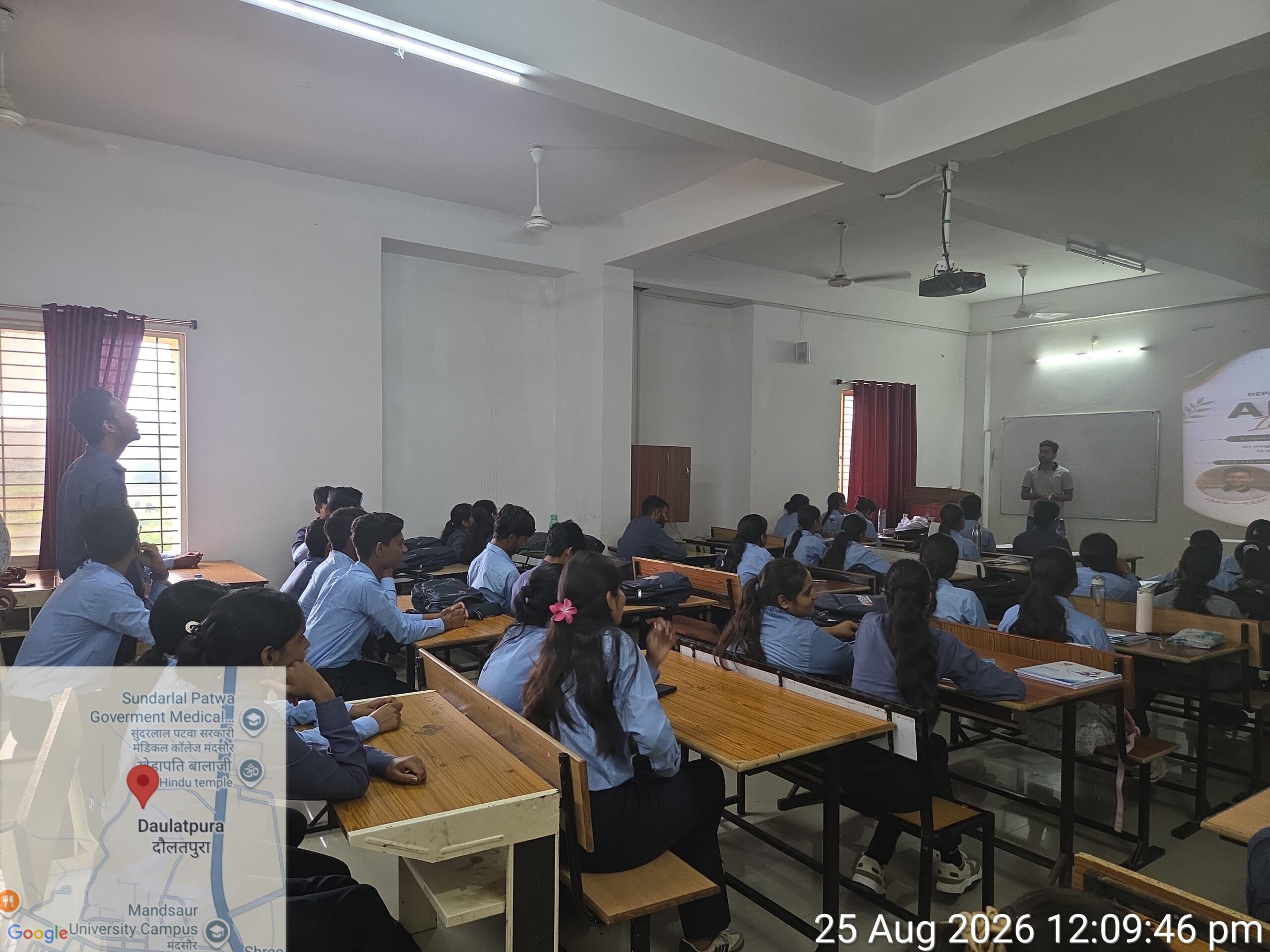
Alumni Interaction
The Department of Life Sciences, Mandsaur University has organized an Alumni Interaction on 25.08.2026 for the students of Life Sciences.
Modern Tools for Academic Research:
The Department of Life Sciences, Mandsaur University, in association with IQAC and Institution’s Innovation Council (IIC), successfully organized a two-days’
Parent Teacher Meeting
Department of Life Science organizes the parent teacher meeting on 6th March 2025. Total 18 parents were visited in the
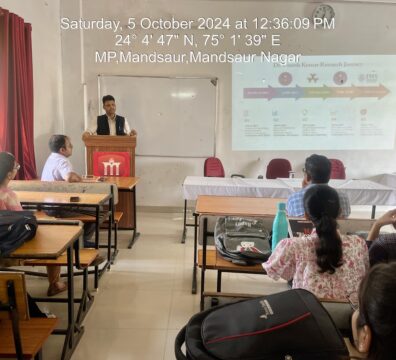
One-day Seminar on “Gut Microbiomes
Faculty of Life Sciences had organized one day’s seminar on “Gut Microbiomes and Its Link to mental Health: The Gut
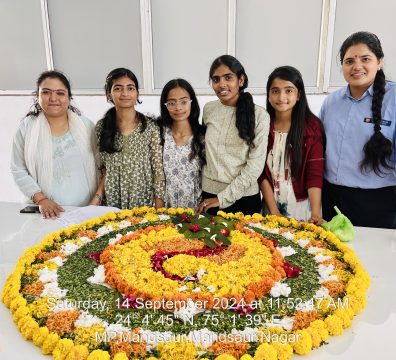
Eco-Friendly Rangoli Competition: A Message
Department: Health & Nutrition Club, Facultyof Life Sciences Year/Semester: UG, PG students & Facultymembers Activity: Health and Nutrition Club Activity
MOU's




About Life Sciences
The Faculty of Life Sciences was established in the year 2016. It offers B.Sc. (Hons.)Biotechnology & Microbiology and M. Sc. Biotechnology & Microbiology courses. The intakes for UG programs are 30 students; while in postgraduate programs are 18 seats. It offers top-class infrastructure, highly qualified and dedicated faculties, and an excellent environment for academic and intellectual growth. The Faculty of Life Sciences has international and national MoUs with various institutes and industries. The faculty has developed a modest academic infrastructure comprising of smart classrooms and Hi-tech laboratories with advanced instrumentation facilities. This department endeavours not only to produce excellent academic results but also to produce entrepreneur and skilled professionals.
Department Vision:
Excel in Life Sciences by advancing knowledge through innovation, academic rigor, and ethical practice, while nurturing future-ready professionals committed to addressing societal challenges through sustainable solutions.
Department Mission:
Nurture a learner-centric, technology-enabled Life Sciences ecosystem integrating academics, interdisciplinary research, innovation, and industry engagement to build scientific expertise, professional skills, ethics, critical thinking, and leadership, while applying knowledge to address challenges in health, agriculture, environment, and allied sectors for sustainable societal well-being
MissionStatements
- M1: To provide learner-centric and technology-enabled education in Life Sciences through effective teaching-learning practices.
- M2: To promote interdisciplinary research, innovation, and scientific inquiry for the advancement of knowledge in Life Sciences.
- M3: To develop technical competencies and professional skills through practical training and industry interaction.
- M4: To inculcate ethical values, scientific integrity, critical thinking, and leadership qualities among learners.
- M5: To apply Life Sciences knowledge for sustainable development and societal well-being in health, agriculture, environment, and allied sectors.
Salient features of department:
- Industry-Aligned & Future-Ready Curriculum: Continuously updated curriculum integrating current scientific advancements, industry requirements, and emerging technologies in Life Sciences.
- Advanced Experimental Learning Infrastructure: Well-equipped laboratories enabling hands-on training, experimental skills, and real-time scientific problem-solving.
- Research, Innovation & Project-Based Learning: Strong focus on student-driven research, mini-projects, and innovation to cultivate scientific inquiry and analytical thinking.
- Experienced Faculty & Mentorship Culture: Highly qualified and dedicated faculty providing academic guidance, research support, and personalized mentoring.
- Exposure to Emerging & Interdisciplinary Domains: Learning opportunities in cutting-edge areas such as molecular biology, genetic engineering, bioinformatics, and applied biotechnology.
- Skill Development & Career Readiness: Structured training in technical skills, communication, and professional competencies to enhance employability and higher education prospects.
- Industry Interaction & Experiential Learning: Regular seminars, expert talks, workshops, industrial visits, and internship opportunities to bridge academia and industry.
- Holistic Development & Leadership Building: Encouragement for participation in co-curricular, scientific, and outreach activities to develop leadership, teamwork, and ethical responsibility.
Departmental Gallery
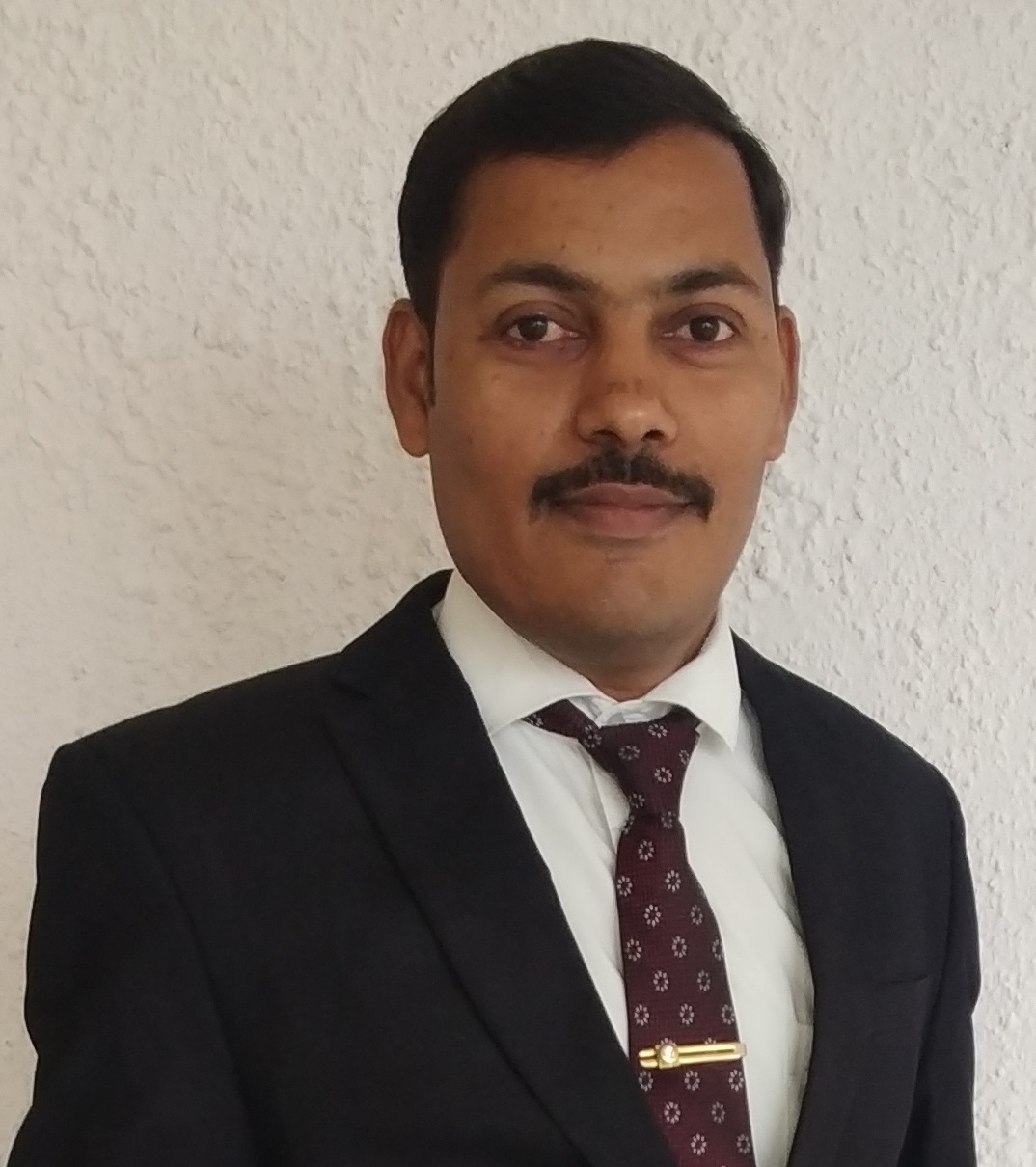
HoD's Message
It gives me immense pleasure to welcome you to the Department of Life Sciences at Mandsaur University—a vibrant, learner-centric hub committed to academic excellence, innovation, and societal impact.
At our department, we are committed to fostering a stimulating and inclusive academic environment that nurtures curiosity, scientific temperament, and a spirit of inquiry among students. Rooted in core disciplines such as Microbiology and Biotechnology, the Department provides a strong platform for students to explore the diverse and evolving domains of Life Sciences. We believe that education in Life Sciences extends beyond the boundaries of textbooks and classrooms; it is about developing the ability to think critically, question logically, and apply knowledge to address real-world challenges.
Our approach to education emphasizes a balanced integration of theoretical learning, practical exposure, and research orientation. Students are encouraged to actively participate in laboratory work, academic projects, seminars, workshops, and experiential learning opportunities that enhance both their conceptual understanding and technical competencies. Such engagement helps in building confidence, problem-solving abilities, and readiness for professional and research careers.
The Department takes pride in its supportive and student-centric academic culture, where faculty members serve not only as educators but also as mentors. Through continuous guidance and encouragement, we strive to help students discover their potential, refine their skills, and develop a strong sense of discipline, ethics, and responsibility. In the rapidly evolving field of Life Sciences, where advancements are continuously shaping solutions for challenges in health, agriculture, environment, and sustainability, we encourage our students to adopt innovative thinking and responsible scientific practices. Our goal is to prepare individuals who are not only academically competent but also socially conscious and professionally adaptable. We also strongly encourage participation in co-curricular and professional development activities, as they play a vital role in shaping leadership qualities, teamwork, and effective communication skills.
As we move forward, the Department of Life Sciences remains committed to advancing knowledge, promoting innovation, and contributing to sustainable development for the betterment of society.
I warmly invite you to be a part of this journey of discovery and transformation. Let us learn, innovate, and contribute towards a healthier and sustainable future.
Wishing you a successful and fulfilling academic journey ahead.
Dr. Shekhar Jain
HoD
Department of Life Sciences
Program offered
- B.Sc. Biotechnology
- B.Sc. Microbiology
- M.Sc. Biotechnology
- M.Sc. Microbiology
- Ph. D. in Life Sciences
PEOs, POs, PSOs
Why Study Life Sciences
Duration: UG 3 years & PG 2 years (Semester System)
AFFILIATION
Constituent College of Mandsaur University
ELIGIBILITY CRITERIA
Passed Higher Secondary school (10+2) Scheme or equivalent examination approved by the various universities and statutory in appropriate discipline. The admission to the M.Sc. Course shall be Passed Bachelors degree (B.Sc.)
MODE OF ADMISSION
For admissions please visit our portal to register/login yourself and proceed ahead with your admission application.
Syllabus/Scheme
- First Semester
- Second Semester
- Third Semester
- Fourth Semester
- Fifth Semester
- Sixth Semester
- Seventh Semester
- Eighth Semester
Laboratories
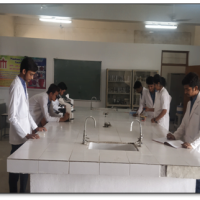
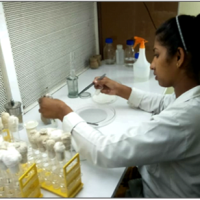
Biotechnology Lab
The Biotechnology Laboratory at Faculty of Life Sciences, Mandsaur University offers state-of-the-art facilities and hands-on activities to help students better understand the promising approach of biotechnology and learn its tools and techniques. The laboratory has latest equipment to conduct various biotechnological experiments starting with basic cell biology to modern DNA analysis.
The laboratory is equipped with Autoclave, Colorimeter, pH meter, Electronic weighing Balance
Microbiology Lab
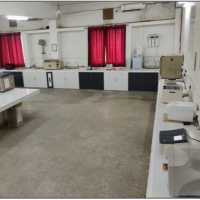
The Microbiology Laboratory at Faculty of Life Sciences, Mandsaur University devoted to teach students the techniques for the culturing, examination, and identification of microorganisms including bacteria, fungi, yeasts, and algae. The laboratory is equipped with Autoclave, Incubator, Ultrasonic Cleaner, Digital Colony Counter, Laminar Air Flow, Water Bath, Magnetic Stirrer, BOD Incubator, Microscope and other equipment’s for culturing and preservation of microbes.
Bioinstrumentation Lab
The bioinstrumentation laboratory provides students with equipment and supplies for studying, designing, and applying instrumentation to obtain data as part of the scientific method which includes UV-Vis Spectrophotometer, PCR, Gel Documentation System, Cooling Centrifuge, Shaker Incubator, Shaker water Bath, Dry Bath incubator, Ice Flaker, Gel Electrophoresis unit, UV Trans-illuminator, Deep Freezer (-40°C), BOD Incubator, Camera attached Biological Trinocular Microscope, and HPLC.
Bio-safety Lab
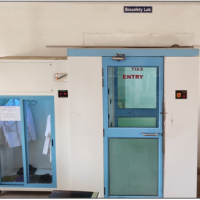
The Bio-safety Laboratory at Faculty of Life Sciences, Mandsaur University is designed to provide an environment for diagnostic work and research on easily transmitted pathogens which can cause fatal disease. All procedures involving the manipulation of infectious materials are conducted within biological safety cabinets, specially designed hoods, other physical containment devices, by personnel wearing such as appropriate personal protective clothing and equipment. The laboratory has special engineering and design features.
Research & Development
Faculties
Associate Professor and HoD
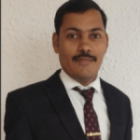
Dr. Shekhar Jain
Dr. Shekhar Jain is working as Associate Professor and HoD at Faculty of Life Sciences, Mandsaur University, Mandsaur, Madhya Pradesh, India. He held the role of M.P. State President for the year 2023-24 and served as the M.P. State Coordinator for the Microbiologist Society, India, from 2021 to 2023. He also served as the University Coordinator for the Internal Quality Assurance Cell (IQAC). He has over 13 years of experience working at prestigious institutions such as Mandsaur University, Indian Agriculture Research Institute (New Delhi), Amity University (Noida), and Mody University (Sikar), among others. He has qualified CSIR-NET, ICAR-NET, R-SET, GATE. His research focuses on plant-microbe interactions to promote sustainable agriculture, enhance food security, improve crop yield, and manage biotic and abiotic stress using beneficial microbes. He has been honored with several prestigious awards for his research contributions, including the International Young Scientist Award (2020-21) from the International Institute of Organized Research, India; the National Level Senior Scientist Award (2021-22) from the Microbiologist Society, India (MBSI); and the Biotechnology Research Excellence Award (2023) from The Biotech Research Society, India (BRSI) and the Society of Life Sciences (SLS), India. He has published numerous high-quality research articles in national and international journals, contributed to book chapters, guided many students for the PG and Ph.D. research, and recently had three patents granted by the Indian Patent Office. Additionally, he has submitted approximately 200 gene sequences to the NCBI Gene Bank. He has reviewed and edited numerous research articles and topics for reputable journals. He received the ‘2022-Outstanding Research Topic Recognition’ from Frontiers in Microbiology for his contributions to the field. He is actively engaged in scientific societies and is a member of several esteemed organizations, including the Microbiologist Society of India (MBSI), the Association of Microbiologists of India (AMI), the Indian Phytopathological Society (IPS), International Institute of Organized Research (I2OR), and the Asian PGPR Society.
Assistant Professor
Dr. Teena Yadav
Dr. Teena Yadav is currently serving as an Assistant Professor of Microbiology at the Faculty of Life Sciences, Mandsaur University, Mandsaur, Madhya Pradesh, India. She has over five years of experience in academics and research, with specialization in Microbial Technology and Environmental Microbiology. She has published research articles in reputed national and international journals, submitted gene sequences to the NCBI GenBank, and has successfully guided numerous undergraduate and postgraduate students in research projects and dissertations. She has also actively participated in various national and international conferences, presenting her research work. Notably she has been selected for the Fellowship for Training of Young Scientists (FTYS) offere d by the M.P. Council of Science and Technology (MPCST) and she was recently awarded the Best Paper Presentation Award at a national conference held at Mandsaur University. She is proficient in both technical and academic skills, having participated in faculty development programs (FDPs), workshops, and training sessions at institutions of national importance. She has also completed several certification courses through platforms such as SWAYAM and NPTEL. Dr. Yadav is a qualified ICAR-NET holder. She has been selected for several prestigious academic events of national repute from across India. These include the Summer Faculty Research Fellow Programme (2023) at IIT Delhi, the National Workshop (2022) organized by the National Centre for Microbial Resource, Pune, and the Professional Development Program on Artificial Intelligence (2025) conducted at Banaras Hindu University, Varanasi. Additionally, she was honored with the Best Research Synopsis Award at the Madhya Pradesh Ph.D. Colloquium 2022, organized by the Atal Bihari Vajpayee Institute of Good Governance and Policy Analysis.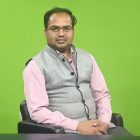
Assistant Professor
Dr. Yogendra Kumar Verma
Dr. Yogendra Kumar Verma is working as an Assistant Professor in the Faculty of Life Sciences at Mandsaur University, Mandsaur, Madhya Pradesh, India. With a robust academic background, including a PhD in Gut Microbiology, he specializes in microbial ecology, molecular biology, and genetic research. His research focuses on the intricate relationships between gut microbiota and human health, aiming to enhance the understanding of microbial interactions in health and disease. Dr. Verma's experience spans prestigious institutions such as Bangor University, United Kingdom, and the All India Institute of Medical Sciences, New Delhi, where he has contributed to research in infection biology, molecular diagnostics, and microbiome studies. He is passionate about advancing microbiological science through both research and teaching, mentoring students while fostering academic excellence. Furthermore, Dr. Verma actively participated in several national and international conferences and has published extensively in prominent scientific journals.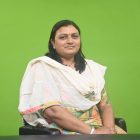
Assistant Professor
Dr. Ruchi Gupta
Dr. Ruchi Gupta is an Assistant Professor in the Faculty of Life Sciences at Mandsaur University, with a Ph.D. in Biosciences (Microbiology) from Jamia Millia Islamia, in collaboration with VMMC & Safdarjung Hospital and AIIMS, New Delhi. With over a decade of experience in teaching and research, her expertise lies in microbial genetics, antimicrobial resistance, and molecular diagnostics. She has published impactful research on fluoroquinolone resistance in Salmonella enterica and received awards including the VMMC Young Scientist Award and Dr. Shriniwas Award. Dr. Gupta is skilled in molecular techniques, recombinant DNA technology, and bioinformatics, and adept at using instruments such as PCR, DHPLC, Gene Sequencer, and Gel Doc. She is actively involved in faculty development programs, national and international conferences, research publications, and departmental R&D activities. Her dedication to microbiology education and research fosters innovation and inspires students and fellow researchers.
Assistant Professor
Dr. Ziaul Hasan
Dr. Ziaul Hasan is a young biochemist and academician, currently an Assistant Professor in the Department of Life Sciences at Mandsaur University. He holds a PhD in Biosciences from Jamia Millia Islamia, New Delhi and an MSc and BSc (Hons) in Biochemistry from Aligarh Muslim University. He has also qualified the MP SET examination and other teaching eligibility tests. With over 25 publications and 500+ citations, Dr. Hasan has contributed research articles, reviews, and book chapters. He has edited a book, supervised 10+ MSc dissertations, and mentors undergraduate students. An inventor, he holds a 2023 patent for an 'Algae-Powered Street Lamp.' Dr. Hasan teaches Biochemistry, Molecular Biology, and related subjects and has secured ICMR research grants. A reviewer for leading international journals, his research spans Protein Biochemistry, Structural Biology, and Computational Biology. Recognized for his contributions, he received the Best Oral Presentation Award (Delhi University, 2024), REX Karamveer Chakra (UN-iCONGO, 2019), and the Swami Vivekananda Excellence Award for social reform and youth empowerment.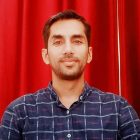
Associate Professor
Dr. Jebi Sudan
Dr. Jebi Sudan is working as an Associate Professor in the Department of Life Sciences, Mandsaur University, Mandsaur. He is a Plant Biotechnologist with over eight years of experience in research and higher education. His research interests include plant genomics, nutritional quality improvement and omics-based approaches for crop enhancement. He has worked extensively on Rice, Mustard, and Buckwheat, integrating molecular biology, genetics, and bioinformatics to identify genes associated with important agronomic and nutritional traits. He has authored more than 40 research and review papers in reputed National and International journals and has contributed several book chapters and edited volumes. He has received several awards, including the Young Scientist Award (2024), and actively contributes to scientific publishing, research mentoring, and academic collaborations. He has also received an innovation grant under Rashtriya Krishi Vikas Yojana from National Institute of Agricultural Extension Management, Hyderabad, INDIA. His work aims to bridge fundamental plant science with sustainable agricultural development and food security.
Assistant Professor
Mr. Kuldeep Lohar
Mr. Kuldeep Lohar is working as an Assistant Professor in the Department of Life Science with specialization in Bioinformatics and Computational Biology. He holds an M.Sc. (Hons.) in Biotechnology and has nearly two years of professional experience as an Assistant Managing Editor in the research publication industry, where he gained expertise in manuscript handling, peer-review coordination, editorial quality assurance, and scientific publishing processes. He has actively participated in research projects in the fields of Bioinformatics and Biotechnology, with interests spanning genomics, proteomics, biological databases, sequence analysis, and computational approaches for biological data interpretation. His teaching and research interests include Bioinformatics, Computational Biology, Molecular Biology, and Genomics. He is dedicated to fostering interdisciplinary learning and equipping students with modern computational and research skills required in the life sciences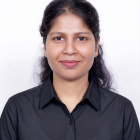
Assistant Professor
Mrs. Ritika Jain
Mrs. Ritika Jain is an enthusiastic and dedicated biotechnology professional currently serving as an Assistant Professor in the Department of Life Sciences at Mandsaur University. She holds both an M.Sc. and a B.Sc. (Hons) in Biotechnology from Mandsaur University, graduating with exemplary academic honors. An active researcher, she has contributed significantly to her field, highlighted by a published book chapter. Her research foundation is further strengthened by a prestigious dissertation and project training at DIPAS, DRDO (Ministry of Defence, New Delhi), where she studied high-altitude physiological impacts. Her academic excellence has been recognized twice with the "Best Student" of department award by the Microbiologists Society, India, of which she is a certified member. Driven by a passion for individual career growth and organizational advancement, she combines strong laboratory skills—ranging from molecular techniques like Western Blotting and ELISA -with a commitment to mentoring the next generation of life sciences students.Recruiters